Connecting Communities to Markets, Tradition to Tomorrow
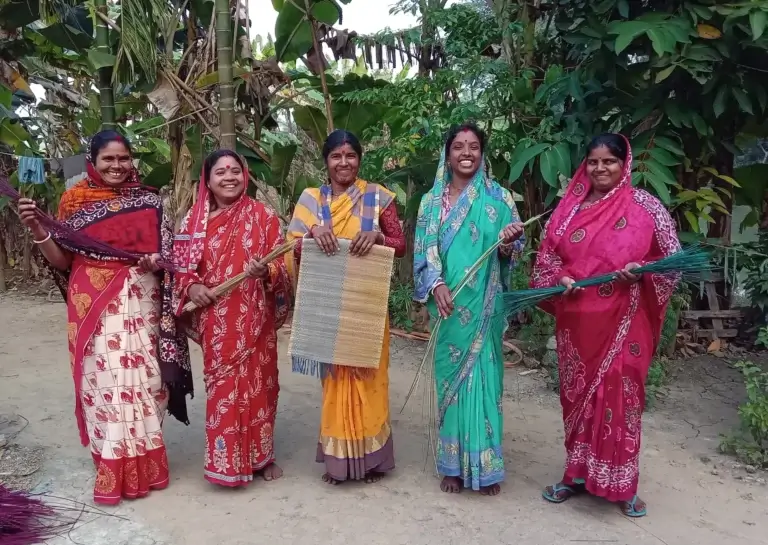
For more than 45 years, Sarba Shanti Ayog (SSA) has believed in a simple but powerful idea: traditional artisans and small producers shouldn’t have to choose between preserving their cultural heritage and building prosperous livelihoods.
Founded in 1978 by visionary professionals, designers, and development workers in Kolkata, India, SSA has grown into one of the country’s leading platforms for Fair Trade-based enterprise development, working with thousands of artisan communities and small-scale producers across 12 Indian states.
Imagine a future where every traditional craft village and rural enterprise thrives economically. Where master weavers pass their skills to their children with pride, knowing those skills will provide dignified incomes. Where traditional techniques meet modern markets through Fair Trade networks, creating sustainable prosperity that honors culture, community, and economic justice.
This is the transformation SSA creates every day—and the future we’re building together, bridging community needs with business opportunities one enterprise at a time.
Higher Income, Higher Skills
Our Journey
The Foundation
The Breakthrough
Leading the Movement
Evolution and Innovation
Today's Reality
Expanding Support
Now We Sell More Effectively
The People Who Make It Happen
Our Communities
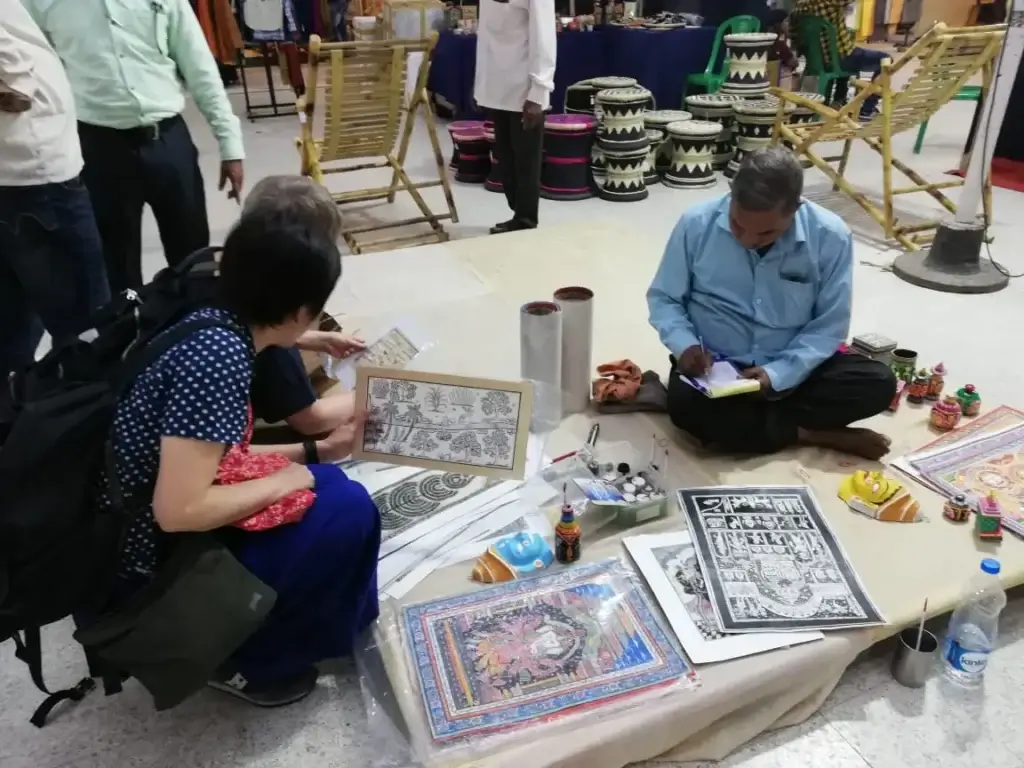
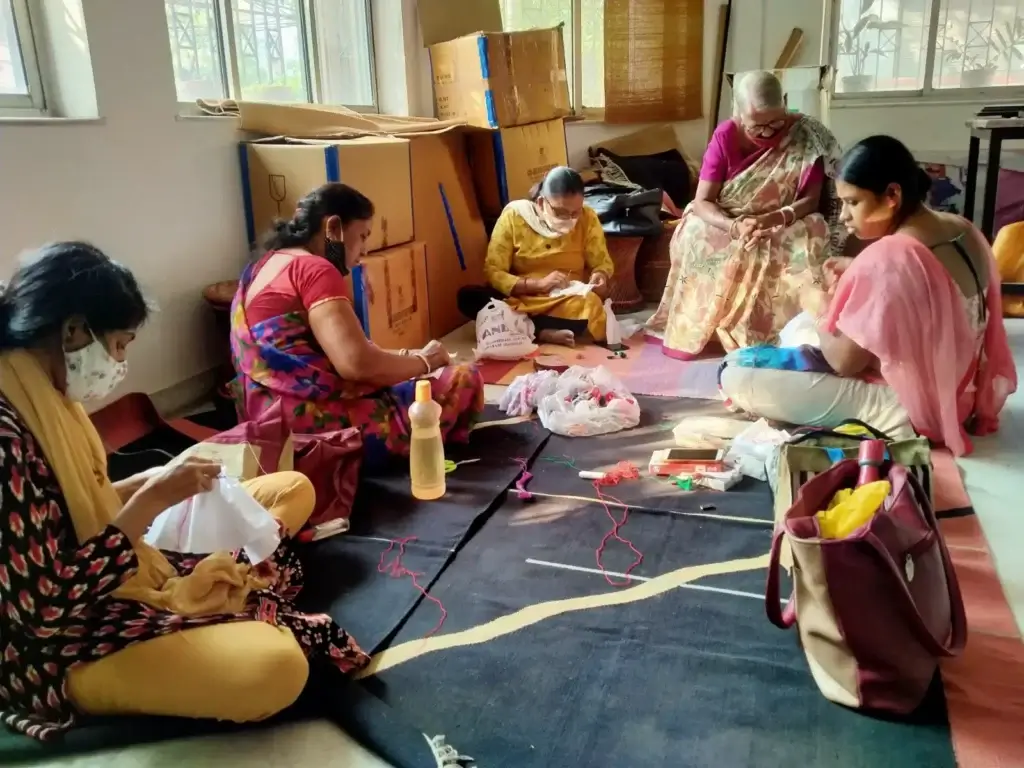
At our heart are the communities themselves — the artisans, producers, and innovators who bring heritage and sustainability to life. From women-led Kantha collectives in Bengal and Dokra metal artisans in Odisha reimagining traditional designs, to bamboo craftspersons in Tripura creating contemporary eco-products and Papier-mâché artisans in Kashmir blending age-old artistry with modern expression; from Tibetan refugee groups transforming waste into exquisite handmade paper to women’s cooperatives in Uttarakhand developing innovative natural fibre crafts — each community represents resilience, creativity, and enterprise.
Their skills, stories, and spirit of innovation drive SSA’s mission to build sustainable, inclusive, and climate-conscious livelihoods across India. Together, they embody the bridge between tradition, enterprise, transformation, people and prosperity.

Sujata Goswami
Project Coordinator

Sayanti Banerjee
Project Coordinator

Roshni Mukherjee
Project Coordinator

Mousumi Mukherjee
Project Coordinator
Our Team
SSA’s strength lies in its people — professionals who work shoulder-to-shoulder with producer communities across India. Our multidisciplinary team brings together expertise in the development sector, business development, traditional crafts, graphic design, social media, digital technology, research, monitoring and evaluation, environmental and climate action, and Fair Trade advocacy.
Together, the team combines creativity, technical skill, and deep community engagement to drive inclusive, sustainable, and climate-smart enterprise development across India.
Led by women throughout our history, we practice what we preach about inclusive leadership. Half our board consists of women, and we actively nurture female staff in management roles.
Our Networks
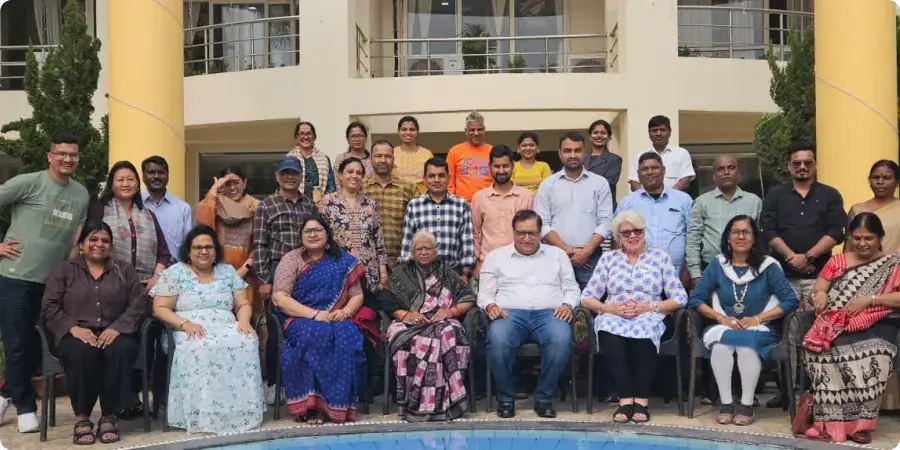
SSA’s impact is amplified through a broad network of collaborations — with international development agencies, government bodies at local, state, and national levels, academic and research institutions, and Fair Trade organizations around the world. Together, we work to strengthen value chains, promote responsible enterprise, and create opportunities that individual artisans and producers could never access alone.
We actively engage with key sectoral platforms and initiatives such as Fair Trade Forum–India, World Fair Trade Organization Asia, and other national and regional networks that advance ethical trade, sustainable livelihoods, and producer empowerment. As a founding member of the National Alliance for Fair Trade Literacy and a Good Market Certified organization, SSA contributes to shaping policies and practices that benefit entire ecosystems — not just our direct partners.


What Drives Us
Vision
A leading platform fostering grassroots enterprises, communities, and cultural heritage through sustainable access to opportunities
Mission
Enabling craft-based livelihoods for marginalized communities through enterprise development, capacity building, and Fair Trade principles.
Values
- Inclusiveness & Participation – Every voice matters, every person has agency
- Innovation & Tradition – Honoring heritage while embracing helpful change
- Transparency & Accountability – Clear, honest relationships with all stakeholders
- Gender Equity & Justice – Women’s leadership central to sustainable development
- Cultural Preservation – Traditional knowledge systems valued and protected
SSA Connected Us to Bigger Markets
Our Nurturing Network
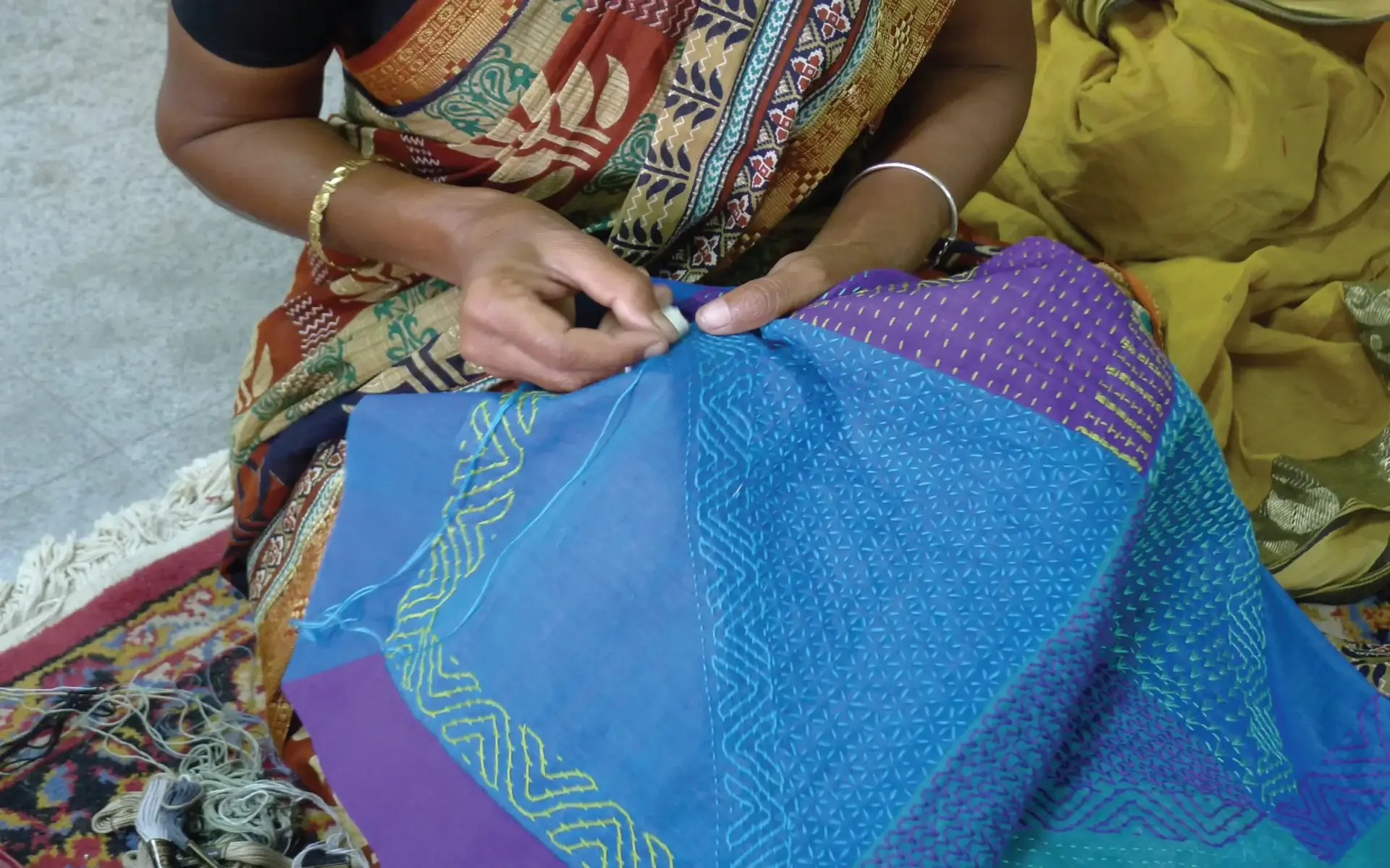
We Build Complete Systems, Not Just Projects
While others provide training or market access, we create entire support ecosystems. Through our sister organization SASHA (established 1987), artisans get everything from skill development to international market access—all grounded in Fair Trade principles.

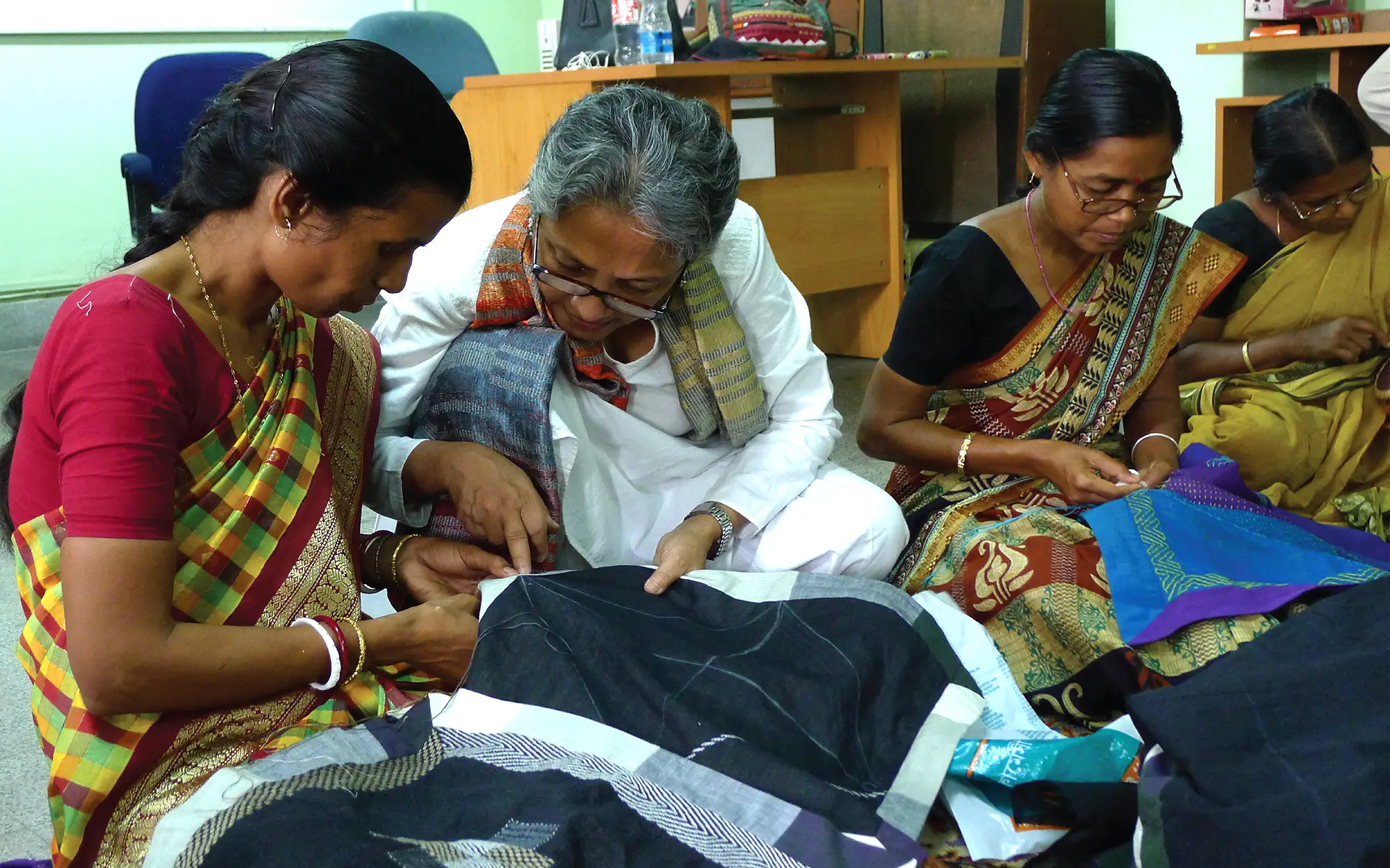
We Enable Ownership, Not Dependency
Instead of making communities dependent on external support, we help them build producer-owned institutions they control themselves. Our role shifts from "helper" to "partner" as communities become self-sustaining.
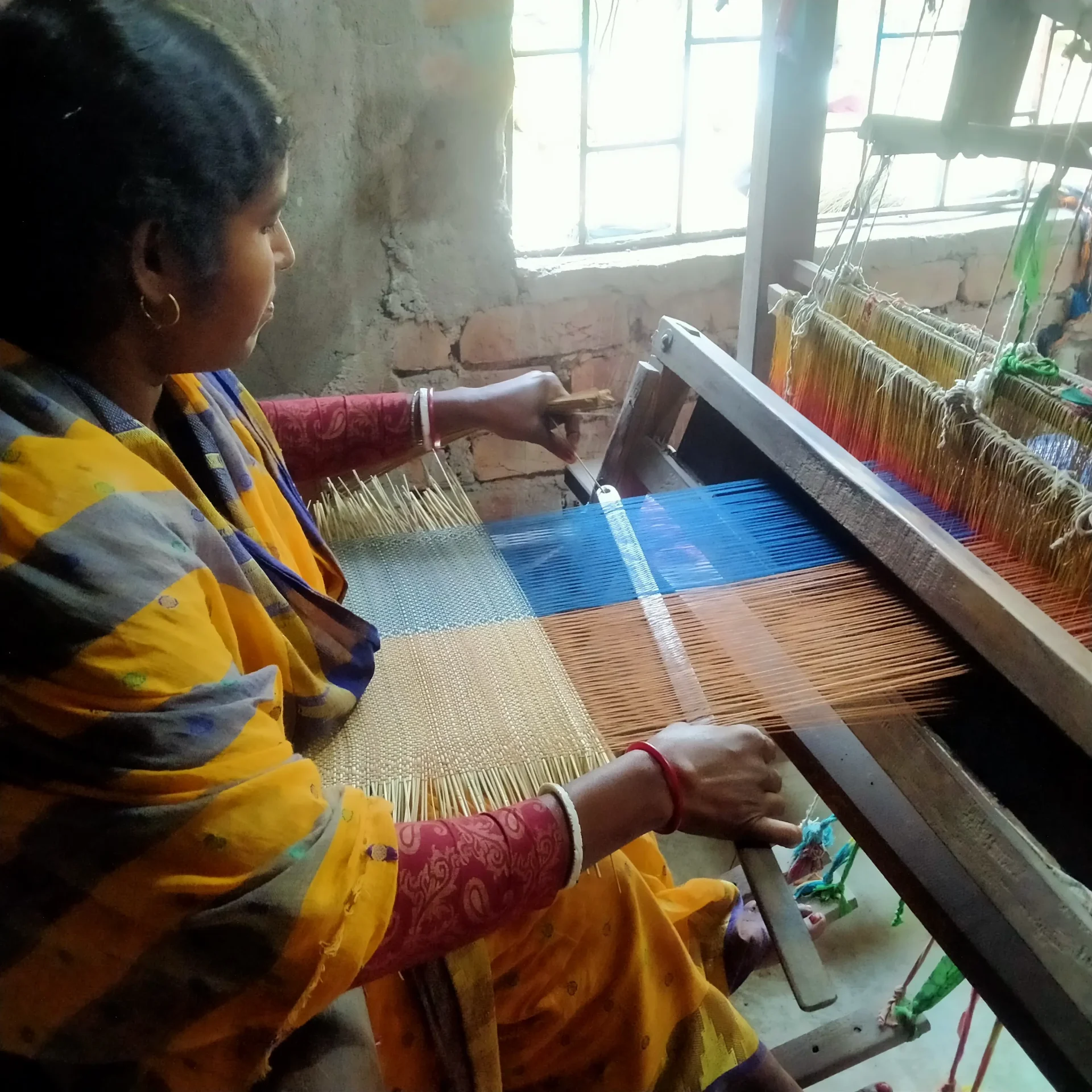
We Combine Heritage with Innovation
What frustrates us about traditional development work? The false choice between "preserving tradition" and "modernizing for markets." We prove that traditional crafts can compete globally when artisans have proper business support, appropriate technology, and ethical market partnerships.
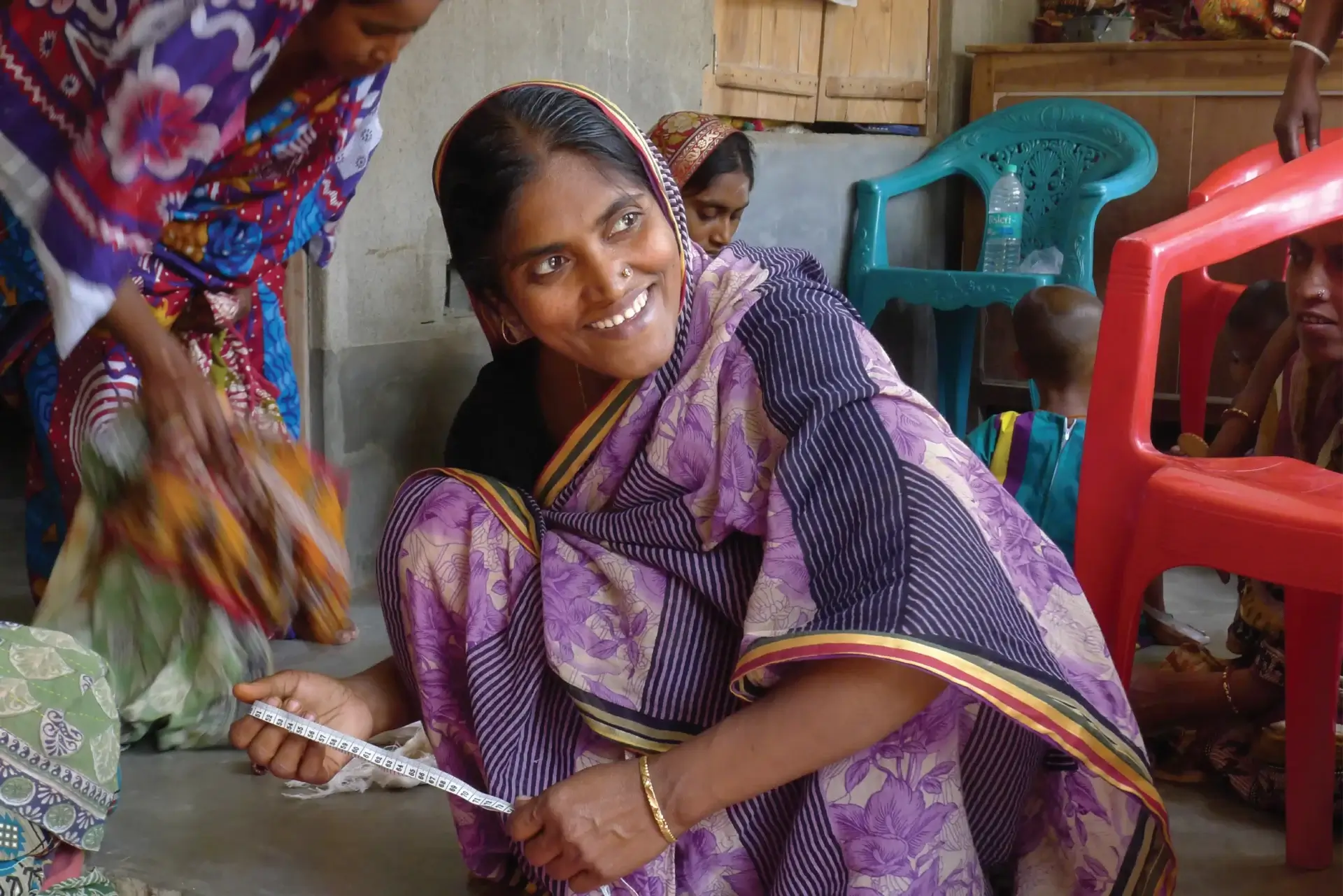
We Think Long-Term
Quick fixes don't create lasting change. We invest in building institutions, relationships, and skills that continue generating impact long after specific projects end.
Ready to Create Change Together?
Curious about our specific capabilities and services?
Explore Our ServicesWant to see our programmes and projects in action?
Projects & ProgrammesReady to join our network as a partner, supporter, or collaborator?
Get Involved →