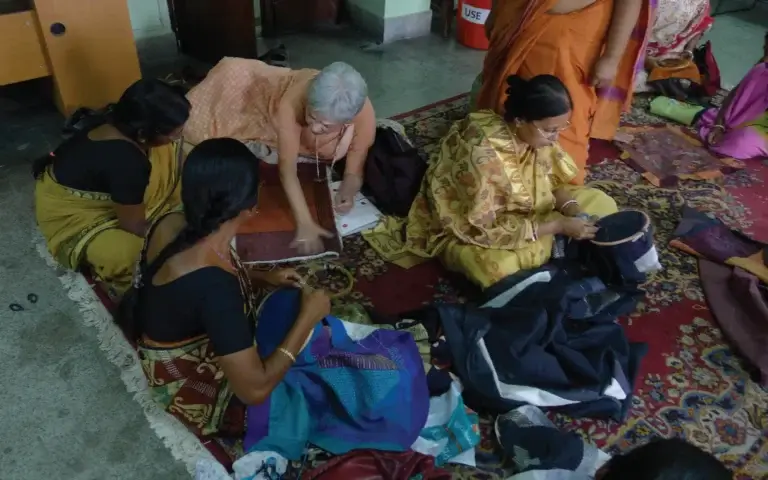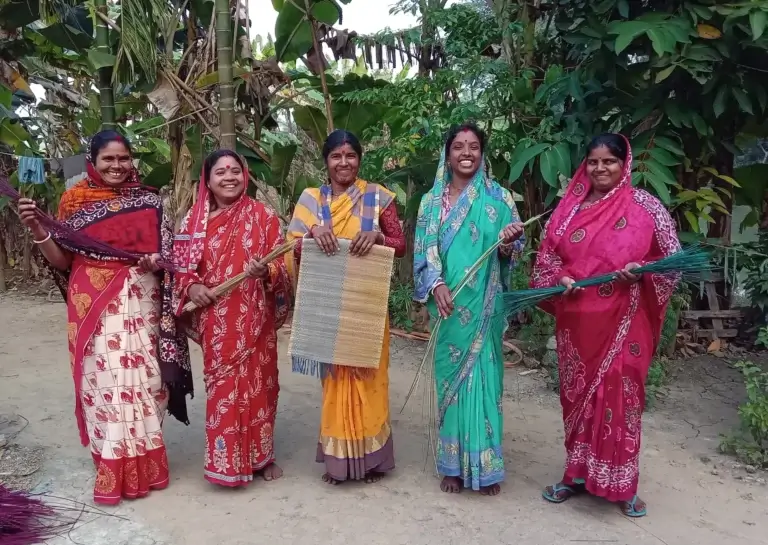
Social entrepreneurship in India has emerged as a powerful force for positive change, especially in the lives of marginalized communities and traditional craft groups. At its core, social entrepreneurship is about creating a business model that prioritizes social impact alongside financial sustainability. This means using entrepreneurial skills to address critical social issues, such as poverty, unemployment, and inequality—issues that resonate deeply in India’s diverse socio-economic landscape.
India boasts an incredibly rich craft heritage, with artisans creating intricate works of art using techniques passed down through generations. However, many of these artisans struggle to make a living due to exploitation, lack of access to markets, and insufficient recognition of their skills. Social enterprises step in here, forging a path that connects these talented individuals to fair trade opportunities, enabling them to not only earn a sustainable income but also reclaim their cultural identities.
The social entrepreneurship model operates within a framework that respects ethical values and promotes fair practices. It offers an avenue for craftspeople to receive fair wages, thereby empowering them and their communities. As these enterprises grow, they address the pressing socio-economic disparities that exist in India, creating jobs, fostering innovation, and promoting sustainable practices. This is more than business; it’s about building a future where artisans can thrive without having to compromise their art or their dignity.
With increasing recognition of these artisans and their contributions, there’s a growing movement toward fair trade and ethical business practices in India. This movement is not just beneficial for the artisans; it offers you, as a donor, an opportunity to make a tangible difference. By supporting social enterprises that are dedicated to uplifting marginalized communities, you play a crucial role in fostering an ecosystem where ethical practices are not only respected but celebrated.
Understanding the Donor’s Role
As a donor exploring the vibrant landscape of social entrepreneurship in India, you’re in a unique position to drive real change. Yet, this journey is not without its challenges and opportunities. Understanding the dynamics at play can help you navigate your contributions more effectively.
Challenges Faced by Donors
One of the primary challenges is the sheer diversity within India’s social enterprise sector. With varying business models, missions, and impact metrics, it can be overwhelming to assess where your funds will have the most significant effect. Additionally, transparency varies widely among organizations. Some may lack the necessary systems to report on their social impact accurately, making it hard for you to gauge the effectiveness of your investment.
There are also cultural nuances to consider. The landscape in India isn’t just about business; it’s about relationships and trust. You might encounter barriers related to local customs, communication styles, or even differing expectations on what “success” looks like. This complexity can make it harder to align your goals with those of the organizations you aim to support.
Opportunities for Impact
Despite these challenges, you have the opportunity to facilitate meaningful change. By strategically aligning your funding with impact-driven, ethical, and sustainable business models, you can significantly empower local artisans and communities. Look for organizations that prioritize fair trade practices, ensuring artisans receive fair wages and work in safe conditions. Your financial support helps not only to sustain these practices but also to expand them.
Moreover, when you choose to support well-structured social enterprises, you’re investing in sustainable solutions that address root causes of social issues rather than temporary fixes. This means your contributions won’t just help artisans today—they will create pathways for future generations, enabling them to thrive without compromising their cultural heritage or artistry.
Aligning Funding with Impact
Focus on organizations that have robust frameworks for measuring social impact. Look for transparency in their operations, including how funds are allocated and the outcomes achieved. This ensures your investment is not just a donation but a partnership aimed at driving systemic change.
Engage directly with the organizations you consider supporting. Ask questions, request details about their impact metrics, and understand their growth plans. This not only enhances your understanding but also helps the organization refine their strategies based on real-time feedback from supporters like you.
In summary, as a donor, you wield significant influence. By understanding both the challenges and opportunities faced in social entrepreneurship in India, you can make informed decisions that lead to sustainable impact and genuine empowerment of marginalized communities.

Fair Trade and Ethical Business Practices in Indian Social Enterprises
In India, the concept of fair trade encompasses more than just a set of guidelines; it’s a commitment to ensuring fair labor practices, equitable pay, and sustainable livelihoods for artisans. This practice acknowledges the historical inequalities faced by marginalized craft communities and works to mitigate these through responsible business models.
Defining Fair Trade in the Indian Context
Fair trade means creating relationships based on respect and collaboration between buyers and sellers. It ensures that artisans receive a fair share for their work and fosters conditions that allow them to thrive. In the Indian context, fair trade goes beyond financial compensation. It incorporates the protection of local culture and heritage while promoting environmental sustainability.
Ethical Sourcing and Fair Wages
Social enterprises at the forefront of this movement prioritize ethical sourcing. They establish direct relationships with artisans, which eliminates layers of intermediaries who typically absorb a significant portion of artisans’ earnings. By dealing directly with the creators, social enterprises ensure that artisans receive fair wages, often higher than the standard market rates.
For example, several organizations implement wage structures that reflect the true value of the craftsmanship involved. This not only provides a stable income for artisans, enabling them to support their families, but also helps to foster community development. Artisans can invest in education, healthcare, and other essential services, enhancing their overall quality of life.
Transparency Matters
Transparency is a key principle of fair trade practices. Social enterprises are expected to maintain clear and open communications about their operations. This includes how funds are utilized, production processes, and the impacts of their work. For donors, this transparency is crucial—it allows you to understand exactly how your contributions are being spent and the direct impact they are creating.
Organizations often share reports detailing their social and financial outcomes, which not only builds trust but also encourages accountability within the industry. When donors have access to this information, they can make more informed decisions about where to invest their support.
Benefits to Marginalized Craft Groups
The implementation of fair trade and ethical business practices has significant benefits for marginalized craft communities. Here are just a few of the direct impacts:
- Economic Empowerment: Fair wages lead to improved financial stability for artisans.
- Skill Development: Many social enterprises invest in training programs that enhance the artisans’ skills, opening up new market opportunities.
- Cultural Preservation: By prioritizing traditional crafts and practices, social enterprises help preserve India’s rich cultural legacy.
- Community Development: Increased earnings contribute to better access to education and healthcare within these communities.
Engaging with social enterprises committed to fair trade means you’re not just supporting a transaction; you’re participating in a movement that champions ethical practices and sustains the livelihoods of talented artisans. Every purchase and investment carries the weight of positive social change, reinforcing the value of cultural heritage while providing dignified work opportunities.

Profiles of Successful Social Entrepreneurship Models Supporting Craft and Marginalized Communities
In India, several social enterprises exemplify how ethical business models can uplift marginalized communities and support traditional artisans. These organizations not only generate profit but also create a measurable social impact. Let’s take a closer look at some of these remarkable models, focusing on their business strategies, impacts on artisans, and potential for scalability.
Sarba Shanti Ayog: Strengthening Producer Institutions for Market Independence
Sarba Shanti Ayog builds the institutional backbone of grassroots producer organizations across India. Rather than aggregating artisans under a single brand, SSA strengthens individual collectives through governance training, business skills, design development, and compliance support—enabling them to operate independently and access markets on their own terms.
Through its Fair Trade enterprise Sasha Association for Craft Producers, SSA connects these producer groups to domestic and international markets. The organization currently works with 100+ producer enterprises affecting 5,000 artisans annually across 12 states, with 60% being women.
- Impact on Artisans: Beyond income growth, artisans gain ownership of their enterprises, formal business capabilities, and participation in decision-making structures within their own organizations.
- Scalability: By focusing on institution-building rather than centralized aggregation, SSA’s model can be adapted to any region with artisan communities, making sustainable livelihoods less dependent on a single intermediary.
Rangsutra: Empowering Artisans through Collective Action
Rangsutra is a prime example of a social enterprise that combines the principles of fair trade with cooperative models. Founded in 2006, Rangsutra operates with the mission of empowering artisans, particularly women, by providing them with a platform to sell their handicrafts directly to consumers.
The organization connects over 1,000 artisans from various regions across India, enabling them to work collectively. This model fosters a shared sense of ownership and community among the artisans. By cutting out intermediaries, Rangsutra ensures that the artisans receive fair prices for their work, without the usual deductions that can diminish earnings.
- Impact on Artisans: Artisans affiliated with Rangsutra experience enhanced livelihoods, access to better health facilities, and opportunities for skill development through workshops and training programs.
- Scalability: Rangsutra’s cooperative model can easily be replicated in other regions, making it a scalable example of social entrepreneurship.
Barefoot College: Education Meets Artisan Empowerment
Barefoot College stands out for its unique model that marries education with artisan empowerment. While traditionally recognized for its focus on solar energy solutions, the college has an artisan program that trains women in skills ranging from weaving to jewelry making.
Through this initiative, Barefoot College not only equips artisans with the necessary skills but also teaches them about sustainability and self-sufficiency. This empowers women to become financially independent while preserving traditional crafts.
- Impact on Artisans: The artisans benefit from both income generation and personal growth, cultivating leadership skills and confidence.
- Scalability: The model of integrating education with craft practices can be expanded into various other regions, fostering a new generation of artisans.
Conclusion: A Pathway For Donors
Supporting social enterprises like Sarba Shanti Ayog, Rangsutra, and Barefoot College allows you to directly contribute to sustainable livelihoods for artisans in India. Your investment not only assists in creating fair trade opportunities but also helps sustain cultural heritage and community development. As these models prove successful, they open doors for further investments and partnerships, amplifying the positive impact you can make as a donor.
By aligning with these exemplary organizations, you’re not just funding a cause; you’re joining a movement that prioritizes ethical practices and creates real change in the lives of artisans.
Impact Measurement and Transparency for Donors
When it comes to supporting social enterprises in India, understanding how they measure impact and maintain transparency is essential for you as a donor. Your contributions should not only create positive change but also be accounted for and show measurable results. Here’s a closer look at the frameworks and practices that ensure social enterprises remain accountable and effective.
Importance of Impact Measurement
Impact measurement involves evaluating the changes that occur as a result of a social enterprise’s efforts. This is vital for several reasons:
- Accountability: Donors deserve to know where their money is going and how it’s being used. Effective measurement holds organizations accountable for their claims.
- Informed Decisions: Clear data helps you compare various organizations and determine which align best with your values and objectives.
- Continuous Improvement: Measurement allows social enterprises to refine their practices based on feedback, leading to better outcomes for artisans and communities.
Frameworks for Measuring Social Impact
Social enterprises in India adopt various frameworks to measure their impact consistently. Here are a few commonly used methods:
- Logical Framework Approach (Logframe): This method outlines specific objectives, inputs, activities, outputs, outcomes, and impacts, allowing for clear tracking of progress over time.
- Theory of Change: This framework helps organizations articulate how their programs will lead to specific social changes, mapping out the causal pathways from activities to intended outcomes.
- Social Return on Investment (SROI): SROI quantifies the social, environmental, and economic value created for every unit of investment, providing a financial measure for social impact.
Ensuring Financial Accountability
Transparency in financial practices is crucial. As a donor, you want assurance that funds are used effectively. Here are some common practices employed by reputable social enterprises:
- Regular Financial Reports: Most organizations publish annual reports demonstrating their financial health, detailing income and expenditures, which include information on where funding is allocated.
- Independent Audits: Engagements with independent auditors help confirm organizations’ claims, ensuring financial practices are legitimate and accurate.
- Certification Mechanisms: Look for social enterprises certified by recognized bodies, such as Fair Trade certifications, which often require adherence to stringent financial and operational standards.
Community Outcomes: Measuring Social Impact
Beyond financial accountability, understanding the social outcomes of each initiative is key. Social enterprises typically assess:
- Income Increases: Tracking changes in artisan earnings can showcase the direct financial benefits resulting from the enterprise’s activities.
- Quality of Life Improvements: Surveys may focus on aspects like health care access, education opportunities, and housing conditions, reflecting the broader community impact.
- Skills Development: Measuring the training and capabilities gained by artisans indicates long-term empowerment and sustainability.
Certification Mechanisms: A Mark of Credibility
Certification mechanisms, such as Fair Trade accreditation, are important indicators of a social enterprise’s commitment to ethical practices. Here’s why they matter:
- Standards Compliance: Certifications often require compliance with specific standards that ensure fair wages, safe working conditions, and community development.
- Building Trust: Certifications enhance credibility, making it easier for you to trust that your contributions are making a real difference.
- Advocacy and Awareness: Certified organizations often play a role in raising awareness about fair trade, helping to create a larger movement for ethical business practices.
By choosing to support social enterprises that prioritize impact measurement and transparency, you ensure that your donations lead to meaningful and lasting change in marginalized communities. Your involvement can not only uplift artisans today but set a precedent for transparent and ethical practices in the future.

Navigating Legal and Regulatory Frameworks Supporting Social Enterprises in India
Understanding the legal landscape is crucial for anyone looking to support social enterprises in India. The legal frameworks dictate how organizations operate, impacting both their ability to raise funds and their accountability to donors. Here’s a breakdown of the relevant forms and regulations that influence social entrepreneurship in the country.
Legal Forms of Social Enterprises
Social enterprises in India typically exist under three main legal structures:
- Non-Profit Organizations: These entities operate primarily to fulfill social missions rather than generate profits. They qualify for various tax exemptions but are limited in terms of revenue generation strategies. Funding often comes from donations, grants, and crowdfunding.
- For-Profit Enterprises: These organizations operate with the intention of generating profit, yet they integrate social objectives into their business models. They can attract investments and generate revenue, but balancing profit with social impact can be challenging.
- Hybrid Models: Combining elements of both non-profits and for-profits, hybrid models allow social enterprises to leverage funding from both philanthropic sources and commercial revenue. This flexibility can enhance sustainability but may introduce complexities related to accountability.
Each legal structure has its advantages and disadvantages, influencing how funds are raised and utilized. Understanding these differences helps you align your support with the right type of organization for your investment style.
Regulations Affecting Social Enterprises
The regulatory environment for social enterprises in India encompasses several key laws and provisions:
- Companies Act 2013: This act allows for the registration of social enterprises as Companies Limited by Guarantee and includes provisions for CSR (Corporate Social Responsibility) contributions, which can provide a funding avenue for social enterprises.
- Income Tax Act: Under this act, non-profits can avail certain tax exemptions, enhancing their attractiveness to donors. However, compliance and reporting requirements are stringent, ensuring accountability in how these organizations manage funds.
- Foreign Contribution Regulation Act (FCRA): Entities receiving foreign donations must register under this act, ensuring that funds are used for specified purposes and are reported accordingly. This regulation is vital for transparency and foreign donor confidence.
Influence on Donor Engagement and Fund Deployment
The legal structure and regulations of social enterprises influence your engagement as a donor in several significant ways:
- Transparency and Accountability: Legal requirements necessitate rigorous financial reporting and audits, which bolster confidence in how organizations manage funds. This transparency can guide your donation choices, enabling you to support organizations that align with your values.
- Funding Opportunities: Understanding these legal structures allows you to identify the best avenues for your contributions. For example, non-profits typically rely on donations, while for-profits may welcome investment opportunities.
- Risk Management: Engaging with legally compliant organizations reduces risks associated with fraud and mismanagement. You can trust that your efforts go to reputable enterprises committed to social impact.
Your knowledge of legal frameworks is vital when supporting social enterprises in India. This understanding not only enhances your engagement but ensures that your contributions effectively contribute to lasting change in marginalized communities. Fund wisely, and let your support amplify the efforts of these organizations to create a fairer, more equitable landscape for all.

Regional Insights into Craft Communities and Social Entrepreneurship Opportunities
India’s vast and diverse geography is matched by an equally rich palette of craft traditions and social entrepreneurship opportunities. Each region—North, West, East, and South—offers unique craft styles, community needs, and entrepreneurial models. Understanding these regional nuances can help you as a donor identify where your support will have the most meaningful impact.
Northern India: A Hub of Handicrafts and Innovation
The North boasts a vibrant tapestry of crafts, from the intricate Pashmina shawls of Kashmir to the traditional blue pottery of Jaipur. Here, social enterprises are flourishing, leveraging these rich craft traditions to create sustainable livelihoods for artisans.
- Opportunities: Focus on cooperatives that connect artisans directly to consumers, ensuring fair wages and showcasing their cultural heritage. The region benefits significantly from tourism, providing avenues for craft-based entrepreneurship.
- Challenges: The region faces issues such as resource depletion and competition from inexpensive, mass-produced goods, making it essential for social enterprises to emphasize quality and authenticity.
Western India: A Blend of Tradition and Modernity
In the West, states like Gujarat and Maharashtra are known for their rich tapestry of textiles and vibrant arts like bandhani and warli painting. Social enterprises in this region often harness modern business practices while remaining grounded in tradition.
- Opportunities: Collaborate with local artisans to create unique, marketable products that can stand out in the international arena. Ethical tourism initiatives can also support craft communities.
- Challenges: Access to markets remains a challenge for many artisans. Social enterprises need to create user-friendly online platforms to broaden their reach and connect with global audiences.
Eastern India: Rich Cultural Heritage with Emerging Potential
The East, particularly states like West Bengal and Odisha, is celebrated for its handloom textiles and intricate crafts like ikan and patachitra. This region has seen a surge in social enterprises dedicated to preserving these arts while empowering local craftsmen.
- Opportunities: Growing demands for sustainable and ethical fashion provide an entry point for crafts from this region. Social enterprises can link artisans with high-end fashion and home décor brands.
- Challenges: Artisans often face challenges related to scalability and competition with mechanized processes. Educating artisans about business practices can enable them to better navigate these challenges.
Southern India: Diverse Crafts and Community Development
The South is a melting pot of art forms, from kalamkari textiles to basket weaving. Social enterprises in this region emphasize community development alongside craft preservation, ensuring that artisans gain skills and access to markets.
- Opportunities: Capitalize on regional sustainability trends and the global movement toward ethical sourcing, noting the growing interest in eco-friendly products.
- Challenges: Socio-economic issues like literacy and access to resources can impede artisanal growth. Social enterprises must incorporate skill development and education into their models to enhance artisans’ capacities.
Conclusion: Aligning Your Support with Regional Strengths
Understanding the regional variances in craft communities and social entrepreneurship opportunities equips you with valuable insight as a donor. By focusing your contributions in areas where they align with these regional strengths, you can amplify the positive impact on marginalized communities and celebrate India’s incredible craft heritage. Your support not only empowers artisans but also preserves and propagates traditional arts that are part of India’s unique identity.

Challenges Faced by Social Entrepreneurs and the Impact on Donor Decisions
Navigating the landscape of social entrepreneurship in India comes with its share of challenges, which can significantly influence your decisions as a donor. Understanding these hurdles is crucial for making impactful contributions that genuinely benefit marginalized communities and craft groups.
Common Hurdles Faced by Social Entrepreneurs
Social entrepreneurs often face a variety of obstacles, including:
- Funding Gaps: Many social enterprises struggle to secure adequate funding, especially when competing against traditional businesses that prioritize profit over social impact. This can limit their ability to scale operations or invest in community development.
- Cultural Barriers: Understanding local customs and fostering trust can be challenging. Entrepreneurs need to build relationships within the community to ensure sustainable growth, but cultural differences can complicate this process.
- Supply Chain Issues: Artisans often depend on local supply chains for materials. If these supply chains are unstable or inconsistent, it disrupts production timelines and affects the income of artisans, making it difficult for social enterprises to deliver products on time.
The Impact on Donor Decisions
As a donor, recognizing these challenges allows you to make more informed choices about where to direct your support. Here’s how understanding these hurdles can guide your decisions:
- Targeting Solutions: By supporting enterprises that have demonstrated resilience in overcoming these challenges, you can invest in organizations that are likely to thrive and maximize your impact.
- Long-term Investments: Consider funding models that focus on long-term sustainability rather than one-off donations. Providing multi-year funding helps social enterprises plan better and build capacity over time.
- Engagement and Collaboration: Get involved with the organizations you support. Offer not just financial contributions but also your expertise, networks, or time. This collaborative approach can help social entrepreneurs navigate their challenges more effectively.
Creating a Partnership for Success
Ultimately, understanding the challenges faced by social entrepreneurs enables you to build partnerships based on trust, transparency, and mutual goals. Your support can be a catalyst for sustainable change if directed thoughtfully, ensuring that the artisans and craft groups you aim to help receive the resources and recognition they deserve.
How Donors Can Maximize Their Impact
As a donor, you’re uniquely positioned to influence the trajectory of social enterprises in India and support marginalized communities directly. To maximize your impact, consider these practical guidelines focused on evaluating social enterprises for ethical practices, facilitating long-term development, fostering capacity building, and maintaining ongoing engagement.
Evaluating Social Enterprises for Ethical Practices
Begin your journey by critically assessing the organizations you’re considering. Here are key factors to look into:
- Transparency: Look for organizations that share their financial statements openly. A commitment to transparency often reflects a broader dedication to ethical practices.
- Fair Trade Principles: Ensure that the enterprise adheres to fair trade standards, including fair wages and safe working conditions for artisans. You should feel confident that your contributions will support sustainable practices.
- Impact Measurement: Choose organizations with a clear framework for assessing social impact. This indicates that they are systematically evaluating how their activities benefit artisans and communities.
Partnering for Long-Term Development
Supporting a social enterprise isn’t just about a one-time donation; it’s about fostering lasting relationships. Here’s how:
- Commit to Multi-Year Funding: Offer funding that extends beyond a single fiscal year. This allows organizations to plan better, ensuring stability and growth.
- Strategic Partnerships: Consider collaborating with the organization to enhance their capabilities. This can involve co-developing programs that align with your goals while addressing their community needs.
- Encourage Networking: Leverage your connections to introduce the organization to potential partners, investors, or even customers. Expanding their network can open new pathways for growth.
Fostering Capacity Building
Empowering social enterprises requires investing in their growth. Here’s how you can help:
- Support Training Programs: Look for opportunities to fund or facilitate training programs that enhance artisans’ skills. This equips them to adapt to market demands and improve their earning potential.
- Provide Resources: Share knowledge or materials that can assist social enterprises in operational efficiency. This could include workshops on business management, marketing, or financial planning.
- Mentorship: Engage in mentorship roles where you can guide social entrepreneurs through challenges based on your expertise. Your insights could be invaluable at critical junctures.
Importance of Ongoing Monitoring and Engagement
Long-term success relies on continuous engagement. Here’s how to stay effective:
- Regular Check-Ins: Schedule periodic updates with the organizations you support. This keeps you informed about their progress and challenges and reinforces accountability.
- Feedback Loops: Encourage organizations to seek feedback from members of the community they serve. This can enhance their understanding of impact and inform future initiatives.
- Celebrate Successes: Acknowledge and promote the achievements of the organizations you support. Sharing success stories can inspire others and reinforce the value of ethical practices.
By implementing these strategies, you can significantly amplify your impact as a donor. Focus on ethical practices, foster long-term relationships, and remain engaged with the organizations you support. Your commitment can catalyze sustainable development, transforming lives and revitalizing craft communities across India.

Future Trends and Opportunities in Social Entrepreneurship for Marginalized Communities in India
The landscape of social entrepreneurship in India is evolving, presenting new trends and opportunities that can significantly benefit marginalized communities and craft groups. Understanding these shifts can empower you— as a donor—to make informed decisions and maximize your impact.
Emerging Sectors for Social Enterprises
One of the most exciting developments in the realm of social entrepreneurship is the emergence of new sectors that align with sustainable development goals. Here are some key areas to watch:
- Green Technology: Innovative social enterprises focused on renewable energy and sustainable agriculture are gaining traction. They not only address environmental issues but also create job opportunities for disadvantaged groups.
- Health and Wellness: There’s a growing focus on social enterprises that provide affordable healthcare solutions, particularly in rural areas. Initiatives offering health services, nutrition, and sanitation help enhance overall community well-being.
- Education Technology: With the rise of online learning, social enterprises are leveraging technology to provide education and training programs for marginalized communities, enabling skill enhancement and job readiness.
Technological Innovations Driving Change
Technology is reshaping social entrepreneurship in India, creating unprecedented opportunities to reach broader markets and improve operational efficiencies. Key trends to note include:
- E-commerce Platforms: More social enterprises are establishing online platforms that directly connect artisans and consumers. This helps eliminate intermediaries, allowing artisans to retain a larger share of earnings.
- Blockchain for Transparency: Some social enterprises are exploring blockchain technology for greater transparency in supply chains. This ensures that consumers can verify the authenticity of products and the ethical practices behind them.
- Mobile Solutions: Mobile applications are increasingly being used to educate artisans on market trends, enabling them to adapt their offerings in real-time based on consumer demand.
Policy Support and Advocacy
Government policies play a significant role in shaping the environment for social enterprises. Recent initiatives include:
- Start-Up India: This flagship initiative encourages entrepreneurship by providing funding, mentorship, and regulatory support specifically for social ventures.
- Subsidies for Skill Development: Various state and central government schemes offer subsidies for skill development programs, which social enterprises can leverage to train artisans.
- Tax Incentives: Increasingly, social enterprises are benefiting from tax breaks and exemptions, encouraging more investors to support ethical business practices.
Global Emphasis on Ethical Investment
There is a noticeable shift in global investment trends favoring ethical and sustainable business models. Investors are increasingly seeking opportunities that align with their values, particularly in areas focusing on:
- Impact Investing: More funds are flowing into social enterprises that demonstrate measurable social and environmental impact alongside financial returns. This is a clear invitation for you as a donor to engage in meaningful partnerships.
- Fair Trade Practices: As awareness of fair trade grows, consumers and investors are more inclined to support enterprises that prioritize ethical sourcing and fair wages.
- Corporate Social Responsibility (CSR): Companies are increasingly integrating CSR initiatives that support social enterprises, creating opportunities for collaboration between the private sector and community-focused organizations.
Staying Informed and Proactive
As these trends unfold, it’s essential for you to stay informed and proactive about where you direct your support. Here are actionable steps to consider:
- Engage with Emerging Enterprises: Keep an eye out for innovative social enterprises that align with your values. Emerging sectors and new technologies often present unique opportunities for impactful giving.
- Participate in Conferences and Forums: Join discussions around social entrepreneurship. These platforms not only provide insights into the latest trends but also connect you with like-minded donors and influencers.
- Advocate for Policy Changes: Engage with advocacy groups that work towards improving the regulatory landscape for social enterprises. Your voice can help amplify the need for favorable policy reforms.
Your engagement in these evolving trends can significantly enhance your impact as a donor. By supporting innovative and ethically driven enterprises, you foster a landscape where marginalized communities can thrive, ensuring a fairer future for artisans and craft groups across India.
As we draw this journey through the landscape of social entrepreneurship in India to a close, it’s clear that your involvement as a donor plays a critical role in promoting fair trade and ethical practices. By supporting social enterprises that uplift marginalized craft communities, you’re not just contributing to their economic stability; you’re actively participating in a movement that respects and celebrates cultural heritage.
Your contributions help ensure that artisans receive fair wages, access to markets, and opportunities for skill development. But it’s not just about financial assistance; it’s about creating meaningful relationships with these organizations, understanding their missions, and being an informed participant in their journey. This is where you can make the most impact.
Call to Action: Engage with Purpose
Now is the time to take informed action. Here are a few steps you can take:
- Research Social Enterprises: Identify organizations that align with your values and commitments to fair trade and ethical practices. Look for transparency in their operations and measurable impact.
- Consider Multi-Year Commitments: Your long-term support can provide the stability these enterprises need to thrive and scale their operations.
- Connect and Collaborate: Reach out to these organizations to understand their challenges and offer not just funds but also your skills, resources, and networks.
- Advocate for Ethical Consumption: Encourage others in your circle to support fair trade products and the artisans behind them, amplifying the movement for sustainable practices.
Your engagement can shape a future where marginalized artisans are no longer overlooked but celebrated for their contributions. By fostering fair trade and supporting ethical social entrepreneurship, you actively participate in building a more equitable landscape for all. Don’t wait—reach out today to organizations like Sarba Shanti Ayog and discover how you can make a difference.